Planning a Landscape Around San Marino’s Residential Character
San Marino asks for a different kind of landscape thinking than a generic Southern California subdivision. The city’s residential fabric has a quiet formality to it, shaped by homes built mainly between 1920 and 1950, larger lots, mature trees, and in many places a hillside estate setting. That combination changes the job of the landscape designer or homeowner. The goal is not simply to make a yard look finished. It is to make the outdoor space feel like it belongs to the house, the street, and the broader character of the community.
That matters here because San Marino is not a place where the landscape is meant to shout. It is a place where details carry weight. A well-placed hedge, a carefully scaled paver patio, or a retaining wall that reads as part of the terrain rather than a correction to it can strengthen a property without overpowering it. The best projects work with the architectural lines of the home and the natural slope of the site. They respect mature trees, avoid overbuilding, and still deliver comfort, usability, and curb appeal.
The local context also pushes planning toward restraint and efficiency. San Marino sits in the western San Gabriel Valley, where the climate is warm and sunny with a Mediterranean type pattern that rewards smart plant selection and efficient irrigation. Water use is never an afterthought in this part of the region. Even when a yard is lush, it needs to be managed with some discipline. That tension between beauty and practicality is where strong landscape planning begins.
Reading the site before drawing the plan
The biggest mistake I see in residential landscape work is trying to impose a style before the site has been understood. In San Marino, that usually leads to awkward grading, thirsty planting in the wrong exposure, or hardscape that looks too large for the property. A better approach starts with the ground itself.
On flatter lots, the job is often about creating rooms outdoors without chopping the yard into pieces. On hillside lots, the work becomes more technical. Slopes may need retention, drainage paths have to be respected, and erosion control becomes part of the design rather than a separate issue handled later. Retaining walls can be useful here, but only when they are sized and placed with care. A wall that is too tall or too close to a mature tree can feel heavy and out of place. A series of lower walls, planted terraces, or subtle grade transitions often look better and perform better over time.
Mature trees deserve special attention. In San Marino, many landscapes have established canopy that gives the property its sense of age and value. That canopy is not just decoration. It shapes shade, root competition, irrigation needs, and the overall scale of the landscape. Good planning around mature trees means leaving enough breathing room at the root zone, selecting underplantings that can live in filtered light, and avoiding unnecessary excavation that could stress the tree. Once a mature tree is compromised, the whole property can lose the character that made it worth preserving.
Drainage needs the same level of discipline. Water has to move safely away from foundations, paths, patios, and planting beds. On sloped properties, runoff can gather speed quickly enough to carve channels in mulch or destabilize unprotected soil. The landscape should anticipate that movement, not fight it after the fact. In practice, that can mean careful grading, a discreet drain system, or hardscape that directs water to approved collection points. It is not glamorous work, but it is the difference between a yard that ages gracefully and one that develops recurring problems.
Hardscaping that fits the house, not just the lot
Hardscaping is where San Marino projects often either succeed beautifully or feel out of scale. Because many homes in the area have architectural depth and a strong residential identity, hardscape should support the house instead of competing with it. The shape, texture, and color of surfaces matter. So does restraint.
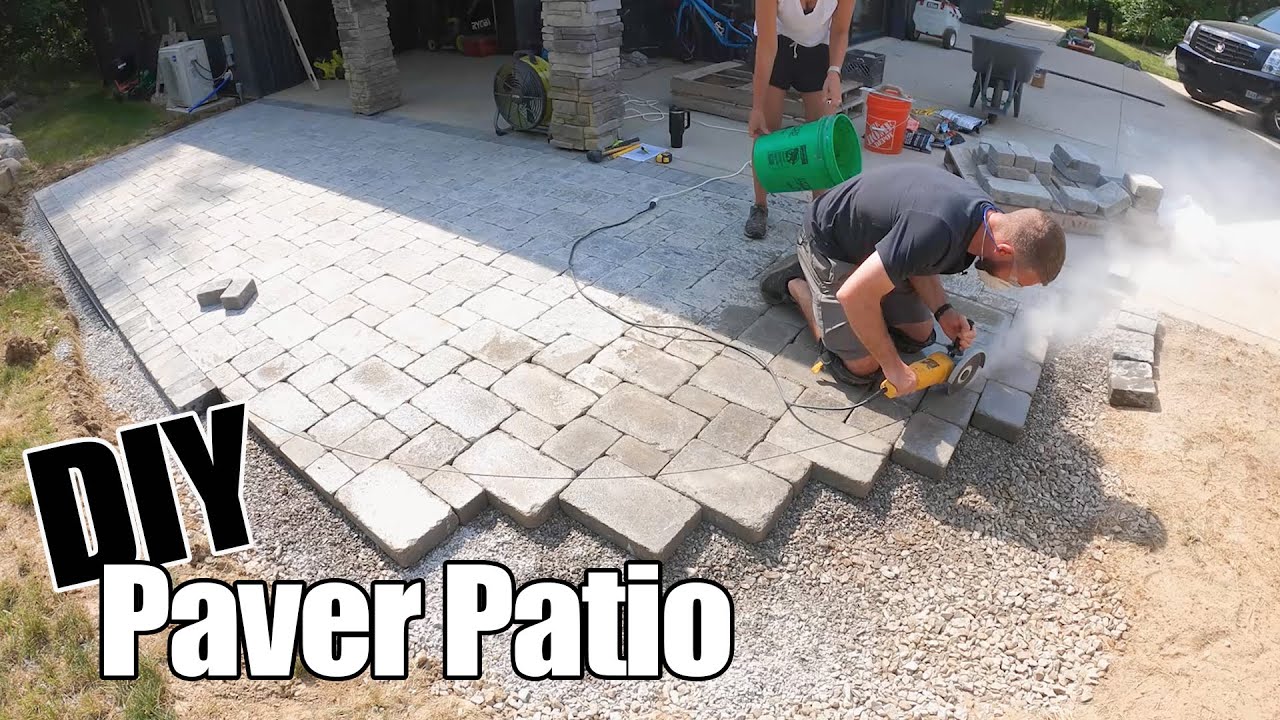
Paver patios are especially useful in this setting because they can define outdoor living zones without looking overly formal or industrial. The key is proportion. A patio that stretches too far across a smaller lot can flatten the yard and make it feel more paved than planted. A patio that is sized to the house, connected to circulation paths, and framed by planting beds tends to feel intentional. I have seen modest paver patios transform a back yard simply because they created a true place to sit, dine, and move through the space without overbuilding it.
The same judgment applies to walkways, steps, and low walls. Hardscaping should make the property easier to use and easier to understand. When paths are direct and scaled correctly, the yard feels calm. When steps are too abrupt or materials clash with the architecture, the outdoor space starts to feel patched together. In a community where homes often have long histories, the most successful hardscaping looks as though it has always belonged there.
There is also a practical side to material choice. Surfaces in a sunny, warm climate need to stand up to light, heat, and regular use. Maintenance matters too. Homeowners who want a polished look without constant fuss usually do better with materials that weather predictably and can be cleaned without special treatment. This is one reason paver patios continue to be a strong choice in residential work. They offer structure, visual order, and the possibility of subtle patterning without demanding a highly formal garden layout around them.
Retaining walls deserve a special note because they are often misunderstood. A retaining wall is not just a fix for a slope. It is a design element that changes how a yard reads and how safely it performs. In San Marino, where lots can be larger and some terrain is hilly, retaining walls may be necessary to create usable flat space or to manage grade transitions near driveways, side yards, or terraces. The wall should be engineered properly, but it also needs to look visually connected to the home and landscape. A well-designed wall can make a steep area feel composed and settled. A poor one can make a property look overworked.
Outdoor living should feel elegant, but not forced
Outdoor kitchens have become common across Southern California, but they are not equally appropriate everywhere. In San Marino, they work best when they serve a clear purpose and suit the scale of the property. A large, fully equipped outdoor kitchen can make sense on a generous lot with a patio meant for entertaining. On a smaller or more intimate site, a simpler cooking area often feels more authentic. The question is not how much equipment can be installed. The question is how the space will actually be used.
I have found that homeowners often begin with broad ambitions, then settle into a more balanced design once they see how much room circulation, seating, and planting actually require. That is healthy. An outdoor kitchen should not consume the entire patio. It should support gatherings while leaving enough open space for movement and conversation. If the lot already has strong architectural character, the kitchen should remain visually quiet. Materials, cabinet finishes, counter edges, and appliance placement all affect whether the feature blends into the space or dominates it.
Fire features and lounge areas can be valuable too, especially when they are positioned with restraint. They tend to work best as part of a broader sequence, where the patio transitions naturally into planting, lighting, and a secondary sitting zone. The goal is a landscape that feels layered and comfortable rather than overprogrammed. On a property with estate-style character, outdoor living should feel like an extension of the home’s scale, not a theme park version of it.
Landscape lighting belongs in that same conversation. In a city with mature trees and substantial residential architecture, lighting can reveal structure that disappears after dark. Subtle path lighting, downlighting from trees, and restrained accent lighting around entries and garden walls can make a dramatic difference without creating glare. It is easy to overdo lighting, especially when trying to showcase a new patio or outdoor kitchen. The better move is often less light, placed more carefully.
Planting with water use in mind
Planting in San Marino needs to respect both the local climate and the current reality of water conservation. California’s Model Water Efficient Landscape Ordinance requires water-efficient design on qualifying projects, and regional water agencies continue to push conservation, efficiency, and, in some cases, landscape transformation incentives. That means irrigation and plant choice are not side issues. They are central to the design itself.
A landscape can still be beautiful and rich without relying on thirsty planting or inefficient watering. The key is to design with intention. Drought-tolerant planting is not a style by itself, and it works best when it is integrated into the architecture of the property. That may mean grouping plants by water need, using mulch and shade wisely, and selecting species that can handle the local conditions without constant intervention. It also means recognizing where lawn still makes sense and where it does not.
full-service landscaping companies San MarinoNot every yard should be converted into a gravel field or a stark, minimal composition. Some residential properties benefit from a modest lawn area, especially where children, pets, or open circulation are part of daily use. The issue is not lawn versus no lawn in a simplistic sense. It is choosing the right amount of lawn, in the right place, with the right irrigation. A lawn close to a patio or visible from the main rooms can offer softness and continuity. A lawn in a difficult slope or a hot side yard may become a maintenance burden. In those places, planting beds, groundcovers, or other low water landscape choices usually serve better.
Irrigation deserves careful design and regular review. A system that was adequate years ago may now be wasting water simply because the landscape has matured. Tree canopy grows, planting densities change, and sprinkler coverage drifts. Drip irrigation can be a strong solution in many beds, but only if it is laid out thoughtfully and maintained. Spray heads, valves, and controllers all need attention. If water is being wasted, plants are rarely the only problem. The irrigation system may be delivering too much water in one zone and too little in another.
There are also local rules and practical constraints to keep in mind. Watering windows can be limited during shortages, and municipal conservation programs continue to shape what is normal and acceptable. For homeowners, that means good design should not rely on high water use as a hidden assumption. It should function within the conservation realities of the region.
San Marino’s character suggests a lighter hand
The strongest landscapes in San Marino tend to feel measured. They acknowledge the historic and residential character of the city, the presence of notable garden settings such as the Huntington and Lacy Park nearby, and the influence of larger lots and mature plantings. That atmosphere rewards refinement. A landscape that tries too hard often looks out of place.
This is why the planning process matters as much as the installation. Before choosing plant material or hardscape details, it helps to think about how the property should feel from the street, from the entry, and from the main living spaces. In many cases, curb appeal is the first test. Near schools, along neighborhood streets, and around homes with strong frontage, the landscape has to present well without feeling fussy. That means a clean line at the walk, healthy planting at the entry, and a front yard that looks intentional in all seasons.
A San Marino project also benefits from a clear sense of hierarchy. Not every part of the yard needs the same amount of attention. The front approach may call for stronger structure and simpler planting, while the back yard can carry the more personal features such as a paver patio, outdoor kitchen, or gathering area. Side yards often serve as circulation and utility spaces, and if they are designed well, they can make the entire property feel larger and more complete. When the hierarchy is muddled, the landscape becomes visually noisy.
For homeowners weighing improvements, the best starting questions are usually the simplest ones. What does this property need to function well? Where does water naturally move? Which mature trees are worth protecting? How much hardscape is enough, and how much is too much? What should be visible from the main rooms of the house? Once those questions are answered, design choices tend to sharpen.
A practical planning sequence often looks something like this:
- Study the slope, drainage, and tree structure before choosing materials.
- Define the main outdoor uses, then size paver patios and circulation paths to match them.
- Decide where retaining walls are truly needed, and keep them visually aligned with the site.
- Build irrigation around the planting plan, not the other way around.
- Reserve the most visible spaces for the strongest curb appeal and the cleanest detailing.
That sequence keeps the project grounded. It also helps avoid the expensive mistake of fixing one problem while creating another. A patio that blocks drainage, a wall that crowds mature roots, or an irrigation layout that ignores water-efficient goals can undermine an otherwise attractive design.
Making the landscape feel rooted in place
There is a reason landscaping in San Marino carries more weight than in a newer or more uniform neighborhood. The city’s residential character is tied to its age, its lots, its trees, and its tradition of considered home design. Landscape work here should answer to those conditions. It should respect the architecture, handle the terrain, conserve water, and still deliver daily usefulness.
That can mean a lot of different things on different properties. On one lot, it may be a series of quiet retaining walls that turn a slope into a series of usable terraces. On another, it may be a carefully scaled paver patio anchored by low planting and a restrained outdoor kitchen. On yet another, the priority may be updating irrigation, reducing unnecessary lawn, and preserving a canopy of mature trees that gives the house its presence. The details change, but the governing principle stays the same. Good landscape planning in San Marino is about fit.
When a landscape feels settled into the property rather than applied on top of it, the difference is obvious. The house looks better. The yard works better. Maintenance becomes more predictable. Water use becomes more responsible. And the whole property feels connected to the residential character that makes this part of the San Gabriel Valley distinct.
Business Name: Ridgeline Outdoor Living
Address: 845 E Walnut St, Pasadena, CA 91101, United States
Phone: (626) 469-5822
Ridgeline Outdoor Living
Ridgeline Outdoor Living is a Pasadena-based landscape design-build company serving Greater Los Angeles with custom outdoor living, hardscape, and drought-tolerant landscape solutions. The company specializes in patios, retaining walls, outdoor kitchens, drainage, hillside projects, and turnkey landscape construction, handling projects from design and permitting through final build and warranty.
845 E Walnut St, Pasadena, CA 91101, USA
Business Hours:
- Monday – Saturday: 8:00 AM – 6:00 PM
- Sunday: Closed
Follow Us:
Our Local Sponsor
Business Name: Ridgeline Outdoor Living
Address: 845 E Walnut St, Pasadena, CA 91101, United States
Phone: (626) 469-5822
Ridgeline Outdoor Living
Ridgeline Outdoor Living is a Pasadena-based landscape design-build company serving Greater Los Angeles with custom outdoor living, hardscape, and drought-tolerant landscape solutions. The company specializes in patios, retaining walls, outdoor kitchens, drainage, hillside projects, and turnkey landscape construction, handling projects from design and permitting through final build and warranty.
845 E Walnut St, Pasadena, CA 91101, USA
Business Hours:
- Monday – Saturday: 8:00 AM – 6:00 PM
- Sunday: Closed
Follow Us: